Trekking in Pokhara Nepal: Routes, Cost & Best Time to Go
Pokhara is more than a beautiful city. It is the main place for trekking in Nepal. The city sits next to calm lakes and tall Himalayan mountains. Because of this, trekking in Pokhara is loved by many travelers. From short walks to big mountain trips, there is something for everyone.
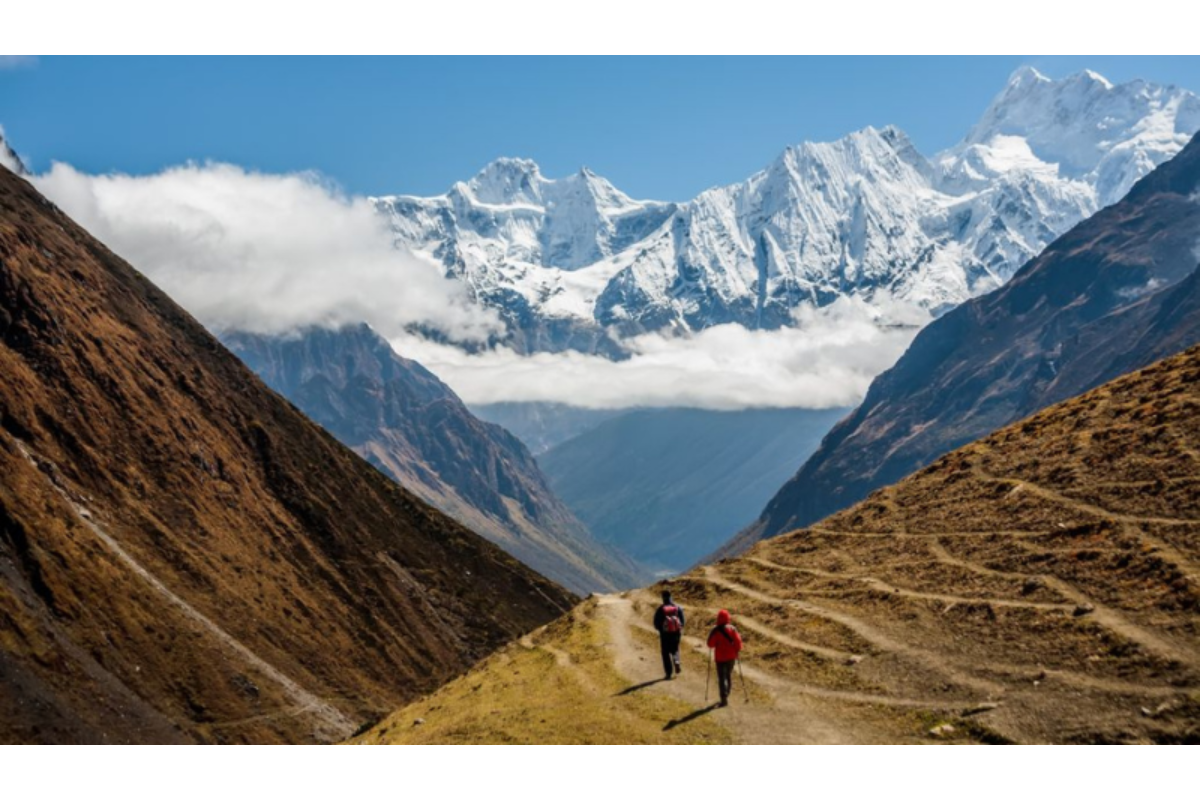
So, what makes trekking in Pokhara Nepal special? It is easy and fun at the same time. You can eat breakfast near the lake and start walking on forest trails in the same day. Pokhara has easy one-day hikes and longer multi-day treks. During the walk, you can see amazing mountain views all around you.
This guide is made for first-time trekkers and experienced trekkers. Also short-time visitors, and anyone interested in Nepal Pokhara trekking can read it. It will help you learn everything you need to know. You will find information about choosing a trek, permits, costs, and packing. This guide will help you plan the perfect Pokhara trek step by step.

Where Is Pokhara Located in Nepal?
Knowing where is Pokhara located in Nepal helps you plan your trip easily. Pokhara is in the western part of Nepal. It is about 200 kilometers (124 miles) west of Kathmandu. The city sits at around 822 meters (2,697 feet) above sea level in the Gandaki Province. This means Pokhara is lower than Kathmandu.
Traveling from Kathmandu to Pokhara takes about 6–7 hours by tourist bus. By flight, it takes only about 25 minutes. Many trekkers choose the bus because the road is very beautiful. Along the way, you can see green fields, fast rivers, and small villages on the Prithvi Highway.
Pokhara is special because it is the gateway to the Annapurna region. Almost all treks in pokhara start from this city and go into the Annapurna Conservation Area. From Pokhara, you can reach famous trekking trails easily without long travel. The Annapurna and Machhapuchhre (Fishtail) mountains can be seen from the lakeside.
Why Trekking in Pokhara Is So Popular
When people ask “Is Pokhara good for trekking?” the answer is a resounding yes! Here’s why trekking from Pokhara has captured the hearts of millions of adventurers worldwide.
Breathtaking Mountain Views:
The Annapurna range and the sacred Machhapuchhre mountain provide some of the most spectacular views on Earth. You don’t need to trek for weeks to see these giants—even short treks from Pokhara offer incredible Himalayan panoramas.
Incredible Variety:
Whether you have two days or two weeks, there’s a perfect trek waiting for you. Options range from gentle day hikes from Pokhara to challenging high-altitude expeditions. This flexibility makes it ideal for everyone, from families to hardcore adventurers.
Beginner-Friendly Options:
Many treks near Pokhara are specifically suited for those new to trekking. The trails are well-marked, the infrastructure is excellent, and you’ll find comfortable tea houses every few hours. This makes trekking in Nepal for beginners much less intimidating.
Easy Permits and Good Infrastructure:
Getting permits for trekking from Pokhara is easy and can be done in the city. Because there are many tea houses on the trails, you do not need to carry camping gear. Each evening, you can stay in a comfortable lodge and enjoy a hot meal.
Accessible for All Levels: Pokhara trekking places are good for everyone. Beginners can take their first steps in the mountains, and experienced trekkers can find new challenges. There are trekking options for every fitness level.
Himalayan Top Trekking Nepal is based in Pokhara and helps make trekking easy and enjoyable. With local knowledge and friendly service, they help turn your trekking plans into real experiences.
Best Time & Trekking Season in Pokhara

Best Months for Trekking in Pokhara
Choosing the right time for your trek can make all the difference between a good experience and an unforgettable one. The trekking season in Nepal typically falls into two prime windows.
Spring (March–May): This is often considered the best month to trek in Nepal. The weather is stable. Temperatures are pleasant, and the hillsides burst into color with blooming rhododendrons.
Mornings are crisp and clear, offering stunning mountain views. Daytime temperatures range from 15-20°C at lower elevations, perfect for hiking in Pokhara Nepal. The trails are busy but not overcrowded, and all tea houses are fully operational.
Autumn (September–November): Many consider this the absolute best time of year for trekking in Pokhara. After the monsoon, the air is crystal clear, offering the sharpest mountain views of the year. The weather is dry and stable, with comfortable temperatures and minimal rainfall. This is peak season, so popular trails can be crowded, but the conditions are ideal for both short trekking in Pokhara and longer expeditions.
Off-Season Trekking
Winter Trekking (December–February): While colder, winter offers its own rewards. The skies are generally clear, crowds thin out, and you’ll find better deals on accommodation.
However, high-altitude passes may be snow-covered. Also, temperatures can drop significantly, especially at night. Lower altitude treks near Pokhara like Australian Camp or Dhampus work beautifully in winter.
Monsoon Trekking (June–August): The monsoon brings heavy rain, leeches, and obscured mountain views. However, the valleys turn emerald green, waterfalls are spectacular, and trails are nearly empty. If you choose monsoon trekking, stick to rain-shadow areas or shorter, lower-altitude day hikes from Pokhara.
For personalized advice on timing your trek, Himalayan Top Trekking Nepal’s experienced guides can help you. You can choose the best season based on your specific trek and preferences.
Best Trekking Routes from Pokhara
Short & Easy Treks from Pokhara (2–4 Days)
Perfect for those with limited time or new to trekking, these pokhara short treks pack maximum beauty into minimal days.
Poon Hill Trek from Pokhara:
This classic short trek from Pokhara is arguably the most popular introduction to Himalayan trekking. The Poonhill trek from Pokhara typically takes 3-4 days. Also, rewards you with spectacular sunrise views over the Annapurna and Dhaulagiri ranges.
The highest point sits at 3,210 meters, making it manageable for most fitness levels. This trek is ideal for beginners. They offers comfortable tea houses, friendly Gurung villages, and stunning rhododendron forests.
Ghorepani–Ghandruk Trek:
Often combined with Poon Hill, the route from Pokhara to Ghandruk goes through traditional villages. Life in these villages is calm and simple. You can see real Gurung culture, eat home-cooked local food, and watch daily life in the mountains. The trek from Ghandruk back to Pokhara usually takes 3–4 days.
Australian Camp Trek:
This easy trekking in Pokhara option is perfect for families and those wanting gentle hiking. Just a 2-day trek, Australian Camp offers 360-degree mountain views without the strenuous climbing. You can even do this as a day hike Pokhara option if you’re short on time.
Dhampus Trek:
Another excellent choice for easy trekking in Pokhara is Dhampus Trek. It sits at 1,650 meters and offers close-up views of Machhapuchhre and the Annapurna range. This 2-3 day trek passes through charming villages and terraced farmlands, giving you a taste of rural Nepal life.
Moderate Treks from Pokhara (5–7 Days)
These treks need moderate fitness, but they give you very beautiful views and a real mountain experience. You will walk deeper into nature and enjoy quiet trails.
Mardi Himal Trek from Pokhara: This trek is newer and has become very popular. Many people say it is the most beautiful trek in Nepal because it is less crowded. The trek takes about 5–7 days and goes up to Mardi Himal Base Camp at 4,500 meters. From here, you can see Machhapuchhre and Mardi Himal very closely.
The trail goes through forests, open grasslands, and small villages. The trek feels exciting but is still possible for trekkers with good fitness.
Short Annapurna Base Camp Trek: This trek is perfect if you have less time but still want the ABC experience. The short version from Pokhara takes about 5–7 days instead of 7–12 days. You will still reach the Annapurna Base Camp at 4,130 meters. Tall mountains surround you, making the place very special.
Longer Treks Starting from Pokhara
For those with more time and experience, these epic adventures showcase the best of Himalayan trekking.
Annapurna Base Camp Trek: The ABC trek from Pokhara is a dream trek for many people. This trek takes about 7–12 days. You walk through different landscapes, such as green forests and open alpine meadows.
In the end, you reach the base camp at 4,130 meters. Very tall mountains, over 7,000 meters high, stand all around you. This Pokhara Annapurna trek lets you enjoy local culture and high mountain adventure together.
Annapurna Circuit: The Annapurna Circuit is often called the toughest trek in Nepal. The full trek usually takes 15–20 days. Starting from Pokhara, this long journey goes around the whole Annapurna mountain range.
You cross the high Thorong La Pass at 5,416 meters. Along the way, you see many changes in the land, from green valleys to dry high areas. You also see different cultures and ways of life.
Himalayan Top Trekking Nepal provides guided trips for all these trekking routes. Their experienced guides know the trails very well. They can change the plan to match your walking speed and comfort.
Day Hike Options in Pokhara

Not everyone has many days for trekking, and that is okay. One day trekking in Pokhara is a great choice for people with little time. It is also good for those who want to check their fitness before a longer trek. Day treks let you enjoy the mountains without staying many nights on the trail.
Who Should Choose Day Hikes: Day hikes from Pokhara are perfect for families with children and first-time trekkers. They are also good for travelers with limited time. People who are resting after a long trek can also choose day hikes to stay active.
Popular Day Hikes:
Sarangkot Day Hike: Perhaps the best day hike in Pokhara for sunrise lovers, Sarangkot sits at 1,592 meters above the valley. The hike takes 2-3 hours uphill, rewarding you with panoramic views of Pokhara, Phewa Lake, and the entire Annapurna range. Many people drive up for sunrise and hike down, but hiking both ways is an excellent workout.
World Peace Pagoda Hike: This beautiful white stupa sits across Phewa Lake on a hilltop at 1,113 meters. The hike takes about 1.5-2 hours from the lakeside, winding through forests with occasional lake and mountain views. The peaceful pagoda offers spectacular views of Pokhara city and the Himalayas. It is perfect for meditation or simply soaking in the beauty.
Kahun Danda Hike: This is a quiet and beautiful choice among day hikes from Pokhara. Kahun Danda sits at 1,560 meters and is less crowded than Sarangkot. The trail goes through small villages and farm fields. You can enjoy lovely mountain views along the way. The hike takes about 3–4 hours in total.
Pumdikot Shiva Statue Hike: This hike goes to a large Shiva statue and offers great views of the valley and mountains. The walk takes about 2–3 hours. You can also visit nearby caves and viewpoints, which makes it a full and enjoyable day.
All of these day hikes can be done on your own or with a guide from Himalayan Top Trekking Nepal. The guide can help with transport, food for the day, and share local knowledge to make the hike better.
Pokhara View Point Locations for Trekkers
Beyond the day hikes, there are many Pokhara viewpoint locations that are easy to visit and very beautiful. These places give amazing views of mountains, lakes, and the city.
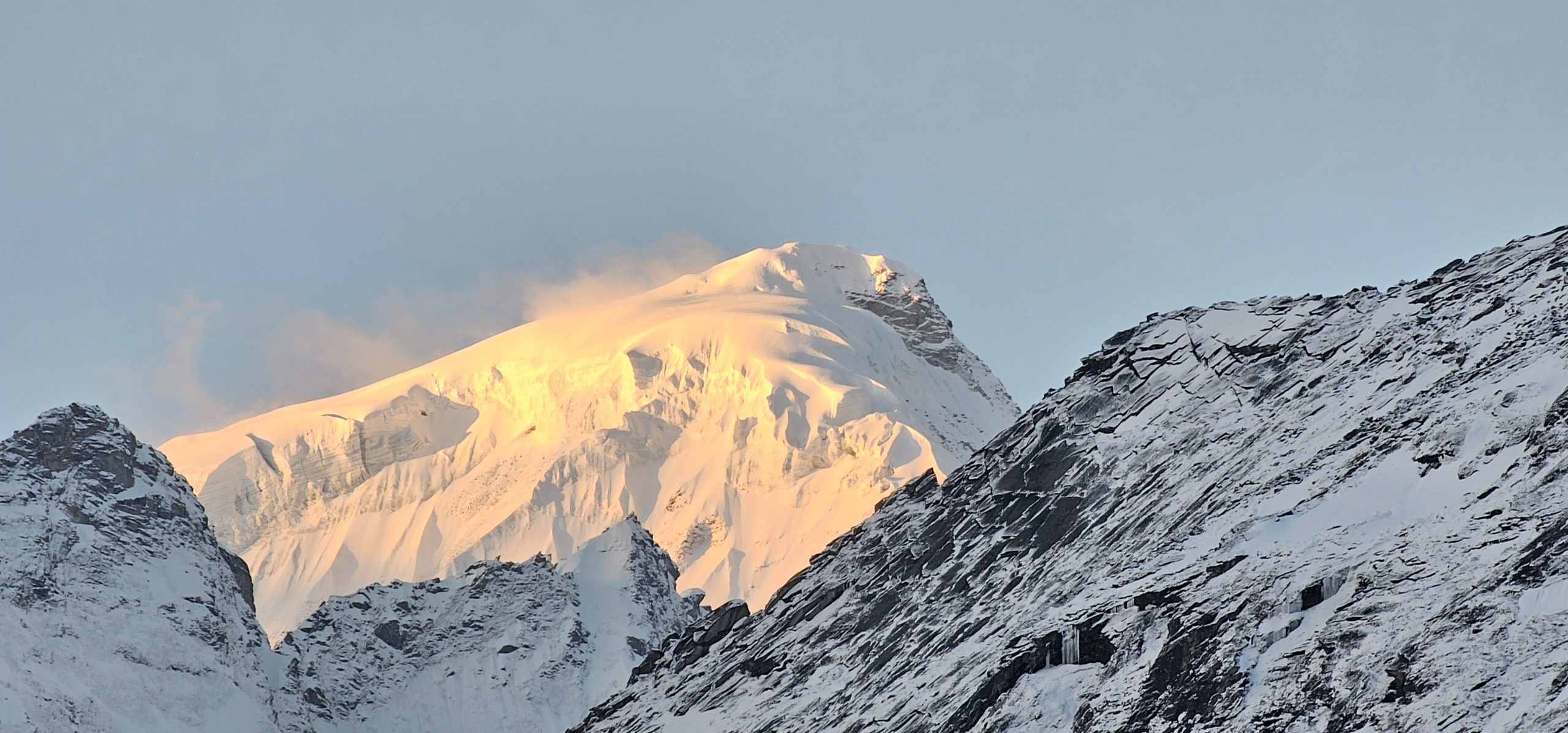
Sarangkot Viewpoint: Sarangkot stands at 1,592 meters and is a famous Pokhara view point location for sunrise. On clear mornings, you can see the sun rise over Machhapuchhre, Annapurna South, and Hiunchuli. The mountains turn golden as the sun comes up. You can reach this best viewpoint in Pokhara by hiking or driving.
World Peace Pagoda Viewpoint: This viewpoint near the stupa gives wide 360-degree views. To the north, you can see the Annapurna mountains. To the south, Phewa Lake and Pokhara city lie below. The peaceful place and natural beauty make it very special.
Kahun Danda Viewpoint: Kahun Danda viewpoint is quieter than Sarangkot. It also offers beautiful mountain views. Local people live and work here, so you can see daily village life. At sunset, the mountains change color to soft pink and orange.
Pumdikot Viewpoint: Pumdikot is the newest viewpoint in Pokhara. It gives clear views of the valley and mountains. The large Shiva statue makes this place great for photos. Because there are fewer visitors, you can enjoy the views calmly.
Each Pokhara viewpoint is different and special in its own way. The team at Himalayan Top Trekking Nepal can help you choose the best viewpoints based on your time and interests.
Trekking in Pokhara for Beginners
If you’ve never trekked before, Pokhara is one of the best places on Earth to start your mountain journey. The best trek for beginners in Pokhara depends on your fitness, available time, and comfort level, but several options stand out.
Recommended Beginner Treks:
-
Poon Hill: The Poon Hill from Pokhara trek is often called the best trek for beginners. It is challenging but not too hard. You can feel proud when you finish it without feeling stressed. The trail is clear and easy to follow. There are comfortable tea houses, and the mountain views are beautiful. This makes it perfect for first-time trekkers.
-
Australian Camp: This trek is great for families and people who are new to trekking. It is gentle and easy. You can enjoy mountain views without feeling scared or tired.
-
Dhampus Trek: Dhampus is another good trek for beginners. The walk is easy, and you can enjoy village life and lovely scenery along the way.
Difficulty Level Explained: Beginner treks usually have 4–6 hours of walking each day. The climb is slow and steady. You sleep below 3,500 meters, which helps reduce altitude problems. The trails are in good condition, and tea houses are found every 2–3 hours for rest and food.
Fitness & Preparation Tips:
-
Start walking regularly 4-6 weeks before your trek—aim for 30-60 minutes daily
-
Practice walking uphill and downhill if possible
-
Break in your trekking boots before the trip
-
Don’t worry about being super-fit; reasonable health and determination are enough
-
Listen to your body and trek at your own pace
-
Stay hydrated and maintain energy with regular snacks
Remember, thousands of beginners successfully complete these treks every year. Himalayan Top Trekking Nepal specializes in guiding first-time trekkers. It provides patient guides who understand the unique needs and concerns of beginners. They’ll ensure your first trekking experience is comfortable, safe, and inspiring.
Permits Required for Trekking from Pokhara
Before heading into the mountains, you’ll need proper permits. Fortunately, getting permits for trekking from Pokhara is straightforward and inexpensive.
TIMS Card (Trekkers’ Information Management System):
This permit helps the government track trekkers for safety purposes. There are two types:
-
Individual Trekkers: NPR 2,000 (approximately $15 USD)
-
Organized Group Trekkers: NPR 1,000 (approximately $7.50 USD)
If you trek with Himalayan Top Trekking Nepal or another agency, you’ll get the group rate, which is cheaper.
Annapurna Conservation Area Permit (ACAP):
Required for all treks in the Annapurna region, this permit costs NPR 3,000 for foreign nationals (approximately $23 USD). The fee supports conservation efforts in the region. This includes trail maintenance, reforestation, and community development.
Where to Get Permits in Pokhara:
You can obtain both permits at the Nepal Tourism Board office in Pokhara, located in the Tourist Service Center near the main bus park. You’ll need:
-
Two passport-size photos
-
Passport copy
-
Completed application form
-
Permit fees in cash
The process typically takes 15-30 minutes. Alternatively, if you book with Himalayan Top Trekking Nepal, they handle all permit arrangements.
It is as part of their service, saving you time and hassle. They’ll collect your documents and photos in advance and have everything ready before your trek begins.
Important Note: Keep your permits safe throughout the trek. There are checkpoints along the trails where you must present them. Most trekkers keep them in a waterproof pouch along with their passport copies.
Cost of Trekking in Pokhara

Understanding the cost helps you budget appropriately for your adventure. Trekking in Pokhara can be surprisingly affordable, though costs vary based on your choices.
Budget Trekking vs Guided Trekking:
-
Independent Budget Trekking: $20-30 per day (accommodation, food, permits)
-
Guided Trekking with Agency: $40-80 per day (includes guide, permits, accommodation, most meals)
Daily Cost Estimate for Independent Trekkers:
-
Tea house accommodation: $3-8 per night
-
Breakfast: $3-5
-
Lunch: $4-6
-
Dinner: $5-8
-
Drinks and snacks: $5-10
-
Hot shower: $2-3
-
Battery charging: $1-2
Total per day: approximately $23-40 depending on your choices and trek altitude (higher altitude = higher prices).
Guide & Porter Costs:
-
Licensed trekking guide: $25-35 per day
-
Porter: $18-25 per day
-
Porter-guide (does both jobs): $30-40 per day
Tea House Food & Accommodation Cost: Costs increase with altitude. At lower elevations, you might pay $3 for a bed and $5 for dal bhat (traditional meal). At Annapurna Base Camp, the same bed might cost $8 and dal bhat $10. Tea houses often offer free accommodation if you eat all meals there.
Additional Costs to Consider:
-
Permits: approximately $40
-
Transportation to trailhead: $5-20
-
Trekking gear rental: $1-5 per item per day
-
Emergency evacuation insurance: $50-100
-
Tips for guide/porter: $50-100 total
Value of Booking with Himalayan Top Trekking Nepal:
Booking with a trusted Pokhara trekking company like Himalayan Top Trekking Nepal may cost a little more than going alone. But it gives great value for your money.You get:
-
Expert local guides who know the trails intimately
-
All permits arranged
-
Emergency support and evacuation assistance
-
Cultural insights and language help
-
Flexibility to adjust itineraries
-
Peace of mind for safety
Their transparent pricing includes no hidden fees, and they offer packages for all budgets from basic to luxury.
Hiring a Trekking Guide or Agency in Pokhara
The decision between independent trekking and hiring a guide is personal. But understanding the benefits helps you choose wisely.
Benefits of Hiring a Local Guide:
-
Safety: Guides recognize altitude sickness symptoms, know evacuation procedures, and handle emergencies calmly
-
Navigation: Even well-marked trails have confusing sections; guides prevent you from getting lost
-
Cultural Bridge: They explain local customs, and facilitate interactions with villagers. They provide cultural context
-
Language: Most trekkers don’t speak Nepali; guides communicate with tea house owners for better service
-
Flexibility: Guides adjust pace and itinerary based on your condition
-
Environmental Knowledge: They identify plants, animals, and geological features
-
Support: Having someone manage logistics lets you focus on enjoying the experience
When a Guide is Recommended:
-
First-time trekkers
-
Solo travelers (especially solo women)
-
Treks above 4,000 meters
-
Off-season trekking
-
Anyone wanting deeper cultural and environmental understanding
Trekking Agency vs Independent Trekking:
Independent trekking gives you more freedom and costs less. However, you must plan everything yourself and know how to find the trail. You also need to take care of problems on your own. Agency trekking, with companies like Himalayan Top Trekking Nepal, gives you clear plans, help, and expert support. Many trekkers feel the extra cost is worth it because they feel safe and relaxed.
Choosing the Best Trekking Company in Pokhara: Look for:
-
Government licenses and certifications
-
Experienced, trained guides
-
Transparent pricing
-
Good reviews from past clients
-
Responsible tourism practices
-
Clear communication
Himalayan Top Trekking Nepal checks all these boxes. As one of the best trekking agencies in Pokhara, they’ve built their reputation on personalized service. This includes safety, and creating memorable experiences. Their guides aren’t just trail leaders. They’re passionate locals who love sharing their mountains and culture.
Trekking Shops in Pokhara: The lakeside area is packed with trekking shops where you can rent or buy gear. Many Pokhara trekking guides can direct you to reliable shops with fair prices. You’ll find everything from sleeping bags to down jackets, trekking poles to headlamps.
What to Expect While Trekking in Pokhara
Understanding what awaits on the trail helps you prepare mentally and practically.
Tea House Accommodation: Tea houses are simple lodges run by local families. Expect:
-
Basic but clean rooms with two single beds
-
Shared bathrooms (some have attached bathrooms at extra cost)
-
Common dining areas with a warm stove
-
Friendly hosts who often become friends by trek’s end
-
Increasing simplicity and cost as altitude increases
Don’t expect luxury, but do expect genuine hospitality. The experience of sitting around the stove with fellow trekkers, sharing stories while Himalayan peaks glow in the sunset, is priceless.
Food Options on the Trail: Tea houses offer surprisingly diverse menus:
-
Dal bhat (rice, lentil soup, vegetables): the trekker’s staple, often unlimited refills
-
Tibetan bread, pancakes, porridge for breakfast
-
Noodle dishes, soups, momos (dumplings)
-
Western options like pasta, pizza (quality varies!)
-
Tea, coffee, hot chocolate, and soft drinks
Higher altitudes mean fewer options and higher prices. Pro tip: order what’s being cooked for everyone (usually dal bhat) for faster service and better value.
Cultural Experience: Most treks pass through Gurung and Magar villages, where you’ll experience:
-
Traditional stone houses with carved windows
-
Prayer flags fluttering in mountain breezes
-
Monasteries and stupas adding spiritual atmosphere
-
Locals working terraced fields as their ancestors did
-
Warm smiles and “Namaste” greetings from villagers
This cultural immersion makes trekking in Pokhara Nepal about more than just mountains—it’s about connecting with a way of life.
Trekking Distance & Daily Hours: Most trekking days involve 5-7 hours of walking, covering 8-15 kilometers. You’re not racing; the pace is steady but relaxed. You’ll typically:
-
Start early (7-8 AM) after breakfast
-
Trek until lunch (around noon)
-
Continue 2-3 hours after lunch
-
Arrive at your tea house by 3-4 PM, allowing time to rest, explore the village, and enjoy sunset views
This rhythm feels natural once you adjust to it.
Safety Tips for Trekking in Pokhara
Safety should always be your top priority. Following these guidelines ensures your trek remains a joyful adventure.
Altitude Sickness Awareness: Even on shorter treks reaching 3,000-4,000 meters, altitude can affect you. Symptoms include:
-
Headache
-
Nausea and loss of appetite
-
Dizziness and fatigue
-
Sleep difficulty
Prevention: Ascend slowly, stay hydrated, avoid alcohol, and never ignore symptoms. The golden rule: “Climb high, sleep low.” If symptoms worsen, descend immediately. Having a guide from Himalayan Top Trekking Nepal means someone experienced monitors your condition. They makes informed decisions.
Weather & Trail Safety:
-
Check weather forecasts before starting
-
Start early to avoid afternoon clouds and potential storms
-
Wear appropriate layers for changing conditions
-
Use trekking poles for stability, especially on descents
-
Stay on marked trails
-
Be extra cautious on wet or icy sections
Travel Insurance Importance:
This cannot be stressed enough—get comprehensive travel insurance that covers:
-
Trekking up to your planned altitude
-
Emergency helicopter evacuation
-
Medical treatment
-
Trip cancellation
Evacuation from remote areas can cost $5,000-10,000. Insurance is non-negotiable.
Responsible Trekking Tips:
-
Carry out all trash (or dispose of it properly at designated points)
-
Use refillable water bottles with purification tablets instead of buying plastic
-
Respect local customs and dress modestly
-
Ask permission before photographing people
-
Support local tea houses and businesses
-
Stay on trails to prevent erosion
-
Don’t give candy or money to children (creates harmful begging culture)
Himalayan Top Trekking Nepal emphasizes responsible tourism. They help to ensure your trek positively impacts local communities and environments.
What Is Famous in Pokhara Besides Trekking?

While you’re in Pokhara for the mountains, the city itself offers wonderful experiences before and after your trek.
Lakes & City Attractions:
-
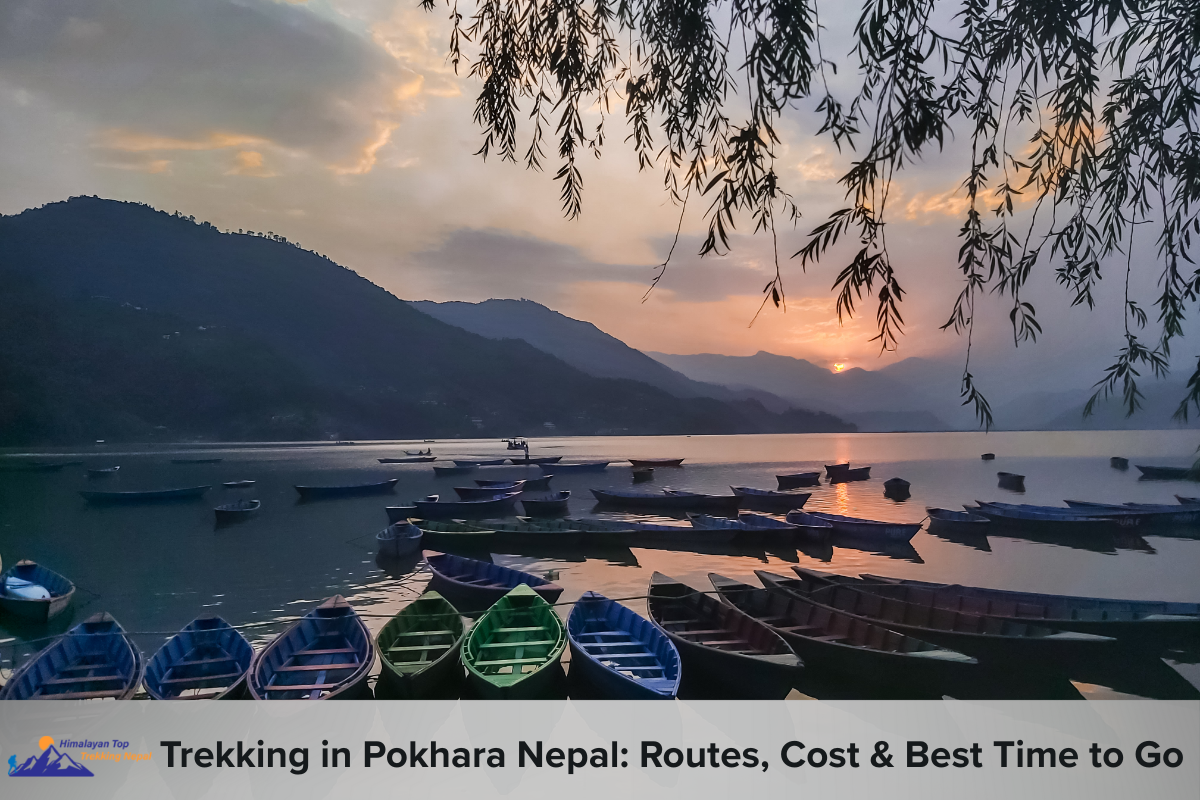
Phewa Lake: Rent a colorful boat and paddle to the island temple
-
Begnas Lake: Quieter than Phewa, perfect for peaceful relaxation
-
Devi’s Fall: Impressive waterfall (especially during monsoon)
-
Gupteshwor Cave: Mysterious cave system near the waterfall
-
International Mountain Museum: Learn about Himalayan peaks and mountaineering history
-
Paragliding: Pokhara is one of the world’s best paragliding destinations
Famous Food in Pokhara: After weeks of dal bhat on the trail, Pokhara’s restaurants feel like culinary heaven. Don’t miss:
-
Fresh fish from the lake
-
Traditional Nepali thali
-
International cuisine (Italian, Mexican, Indian, Korean, and more)
-
Momos from street vendors
-
Local buffalo yogurt and honey
The lakeside area offers dozens of cozy restaurants where trekkers gather to swap stories over good food.
Relaxing After Trekking: Pokhara excels at post-trek recovery:
-
Get a massage to soothe tired muscles
-
Practice yoga by the lake
-
Lounge in lakeside cafes with a good book
-
Shop for souvenirs and trekking gear
-
Simply watch the mountains from a hammock
This combination of adventure and relaxation makes Pokhara special. You can push yourself in the mountains, then return to comfort and recovery.
FAQs – Trekking in Pokhara
1. Is Pokhara good for trekking?
Absolutely! Pokhara is one of the best trekking destinations in the world. It offers incredible variety and stunning mountain views. This includes excellent infrastructure, and options for all experience levels. Whether you want a gentle day hike or a challenging two-week expedition, Pokhara delivers.
2. Which trek is best for beginners in Pokhara?
The Poon Hill trek from Pokhara is widely regarded as the best trek for beginners. It’s short (3-4 days), moderately challenging, and culturally rich. It offers spectacular mountain views without going too high. Australian Camp and Dhampus are also excellent beginner-friendly options.
3. What is the best 4-day trek from Pokhara?
For a 4-day trek, Poon Hill with Ghorepani-Ghandruk loop is perfect. Alternatively, the Mardi Himal trek can be completed in 4-5 days for those wanting a bit more challenge and solitude.
4. Can you do a day hike in Pokhara?
Yes! Several excellent day hikes from Pokhara include Sarangkot. This also includes World Peace Pagoda, Kahun Danda, and Pumdikot. These offer mountain views, cultural experiences, and good exercise without requiring overnight stays.
5. Is the Poon Hill Trek difficult?
Poon Hill is moderately difficult. Most reasonably fit people complete it successfully. The trek involves uphill climbing (especially to Poon Hill viewpoint at 3,210m), but the pace is relaxed, and you can take breaks whenever needed. It’s challenging enough to feel accomplished but not so difficult that beginners struggle.
6. What is the best time for trekking in Pokhara?
The best times are spring (March-May) and autumn (September-November). These seasons offer clear skies, stable weather, and comfortable temperatures. October and April are often considered the very best months.
7. Do I need permits for trekking in Pokhara?
Yes, you need permits for most treks in the Annapurna region. The two main permits are TIMS (Trekkers’ Information Management System) and ACAP (Annapurna Conservation Area Permit). Total cost is approximately $40. These can be obtained in Pokhara, or your trekking agency will arrange them.
Final Thoughts: Is Trekking in Pokhara Worth It?
After exploring everything Pokhara offers, one question remains: Is it worth it?
The answer is a resounding yes.
Trekking in Pokhara combines accessibility with authenticity. Including comfort with challenge, and natural beauty with cultural richness. Few places on Earth let you transition so seamlessly from lakeside cafes to Himalayan trails. Whether you choose a single day hike Pokhara offers or commit to a multi-week adventure, you’ll return home transformed.
Summary of Trekking Options:
-
Short on time: Day hikes or 2-3 day treks like Australian Camp
-
First-time trekkers: Poon Hill or Dhampus treks
-
Moderate experience: Mardi Himal or short ABC trek
-
Experienced adventurers: Full Annapurna Base Camp or Annapurna Circuit
Who Should Choose Pokhara for Trekking:
-
Anyone seeking Himalayan experiences without extreme difficulty
-
Families wanting memorable mountain adventures
-
Solo travelers looking for safe, well-established routes
-
Photographers chasing perfect mountain light
-
Cultural enthusiasts wanting to experience traditional village life
-
Anyone who dreams of standing face-to-face with the world’s highest peaks
The mountains are calling, and Pokhara is your answer.
Ready to Plan Your Trek?
Do not worry about planning your trek. Himalayan Top Trekking Nepal takes care of everything for you. They arrange permits, guides, places to stay, and daily plans.
This lets you enjoy the trek without stress. With many years of experience as one of the best trekking companies in Pokhara, they have safely guided many trekkers in the mountains.
No matter if this is your first trek or your fiftieth, and whether you have three days or three weeks, Himalayan Top Trekking Nepal creates trips. That fit your goals, fitness level, and budget.
Contact Himalayan Top Trekking Nepal today to start planning your Pokhara adventure. The mountains are waiting, and your journey begins with a single step.
Namaste, and happy trekking!