Daily Departure: 10% discount on 14 Days Everest Base Camp Trek with Coupon Code - Explore more

Trip Facts
Duration
16 Days
Max. Altitude:
4,984m at Tserko Ri
Best Time for Visit
Spring, Summer & Autumn
Activity
Trekking
Meals
Breakfast,Lunch ,Dinner
DIFFICULTY
Moderate
LOCATION
Langtang Region
Trip Ends
Kathmandu, Nepal
Trip Highlights
- Explore and soak in the mesmerizing beauty of Gosaikunda.
- Climb the top of Langtang pass and Langtang village to get a mesmerizing view.
- Stroll around the small Tamang village and endure their warm hospitality and delicious cuisine.
- Visit KyanjinGompa and travel around the excellent cheese factory.
- Explore Chisapanai and Sundarijal.
- Witness some of the World Cultural Heritage sites in Kathmandu valley.
Overview
Langtang Gosaikunda Trek is one of Nepal’s top trekking experiences that combines justifiably breathtaking Himalayan scenery with profound cultural and religious significance. This memorable journey takes tourists through pristine Langtang Valley, across lofty passes, and ends at the sacred Gosaikunda Lakes at a whopping 4,460 meters above sea level.
Beginning in the idyllic town of Syabrubesi, this trek offers a special chance to experience Tamang culture in its traditional form alongside some of the most breathtakingly beautiful mountain landscapes in the Nepal Himalayas. The Gosaikunda Trek is a draw for adventure travelers as well as for spiritual seekers, and therefore is an offbeat trekking option that suits different travel intentions.
Whether a 7 days Langtang Gosaikunda Trek or a longer Langtang Gosaikunda Helambu Trek, this comprehensive guide will inform you everything you should know to ensure your trip is successful and one for the memories.
Trek Overview and Route Details
Starting Point and Duration
The Langtang Gosaikunda Trek route begins in Syabrubesi, accessible by road from Kathmandu in approximately 7-8 hours. The complete trek typically ranges from 12-16 days, depending on your chosen itinerary and acclimatization preferences. Popular variations include:
- Gosaikunda Trek 5 days (express version focusing on lakes only)
- Gosaikunda Lake Trek 7 days (standard duration with proper acclimatization)
- Langtang Gosaikunda Helambu Trek (15-19 days comprehensive circuit)
Key Destinations and Elevation Profile
The Langtang and Gosaikunda Trek follows the Langtang River through diverse ecological zones:
Lower Section (1,500-2,500m):
- Dense rhododendron and bamboo forests
- Traditional Tamang villages
- Rich wildlife habitat
Middle Section (2,500-3,500m):
- Langtang Valley proper
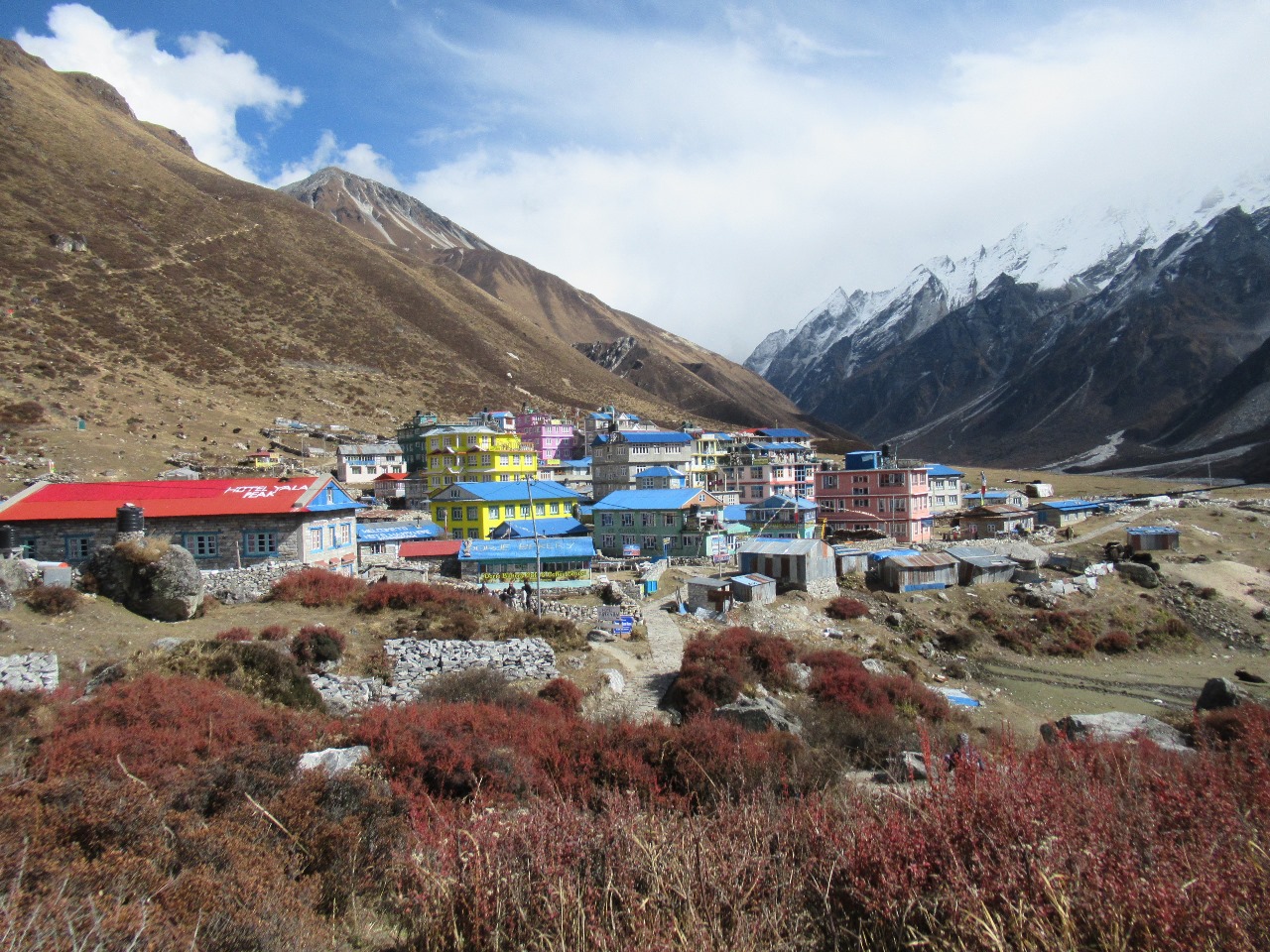
- Kyanjin Gompa monastery
- Alpine meadows and glacial moraines
High Section (3,500-4,460m+):
- Lauribina Pass crossing
- Sacred Gosaikunda Lakes
- Pristine alpine environment
Detailed Itinerary Breakdown
Days 1-3: Syabrubesi to Langtang Village
The trek begins with a scenic drive from Kathmandu to Syabrubesi, following the Trishuli River. The first day of trekking takes you through dense forests to Lama Hotel (2,480m), where you’ll spend your first night in the mountains. Day two continues through bamboo forests and occasional clearings offering glimpses of Langtang Lirung, arriving at Langtang Village (3,430m).
Days 4-5: Langtang Village to Kyanjin Gompa
A shorter but significant day leads to Kyanjin Gompa (3,870m), home to a traditional cheese factory and ancient Buddhist monastery. This serves as an excellent acclimatization base with optional day hikes to Kyanjin Ri or Tserko Ri for spectacular mountain panoramas.
Days 6-8: Crossing to Gosaikunda
The journey to Gosaikunda involves crossing the challenging Lauribina Pass (4,610m), descending to Gosaikunda Lakes (4,460m). This section requires careful acclimatization and weather consideration.
Days 9-12: Return Journey Options
Trekkers can return via the same route or continue through the Helambu region, descending to Sundarijal for a Sundarijal to Gosaikunda Trek completion.
The Sacred Gosaikunda Lakes: Spiritual Significance
Hindu Mythology and Religious Importance
Gosaikunda Lake is spiritually very important in Hindu mythology. The lake was created by Lord Shiva when he struck his trident (Trishul) into the ground to obtain water to calm his throat after having consumed poison when churning the ocean. This divine creation has made Gosaikunda Nepal’s most sacred pilgrimage site.
The festival of Janai Purnima in August witnesses thousands of Hindu pilgrims making the arduous trek to immerse themselves wholesomely in the holy waters of the lake. The faithful believe that these waters possess healing properties and the ability to wash away sin, so the Gosaikunda Trek during the Janai Purnima is a special cultural experience.
Buddhist Connections
Buddhist traditions associate Gosaikunda with Avalokitesvara, the Bodhisattva of compassion. Legend states that Avalokitesvara created the lake with his sword to cool his body after extended meditation. Buddhist practitioners believe the lake’s waters can purify the mind and aid spiritual development.
Tamang Cultural Beliefs
The indigenous Tamang people, who call the Langtang region home, have their own spiritual relationship with Gosaikunda. They believe the lake serves as the residence of the god Samba and that proper offerings and prayers can appease this deity. The Tamang also credit the lake with protective powers against evil spirits.
Cultural Experiences Along the Trek
Traditional Tamang Heritage
The Langtang Valley Trek with Gosaikunda provides unparalleled opportunities to experience authentic Tamang culture. These Tibetan-origin communities have inhabited the region for centuries, maintaining traditional lifestyles despite modern influences.
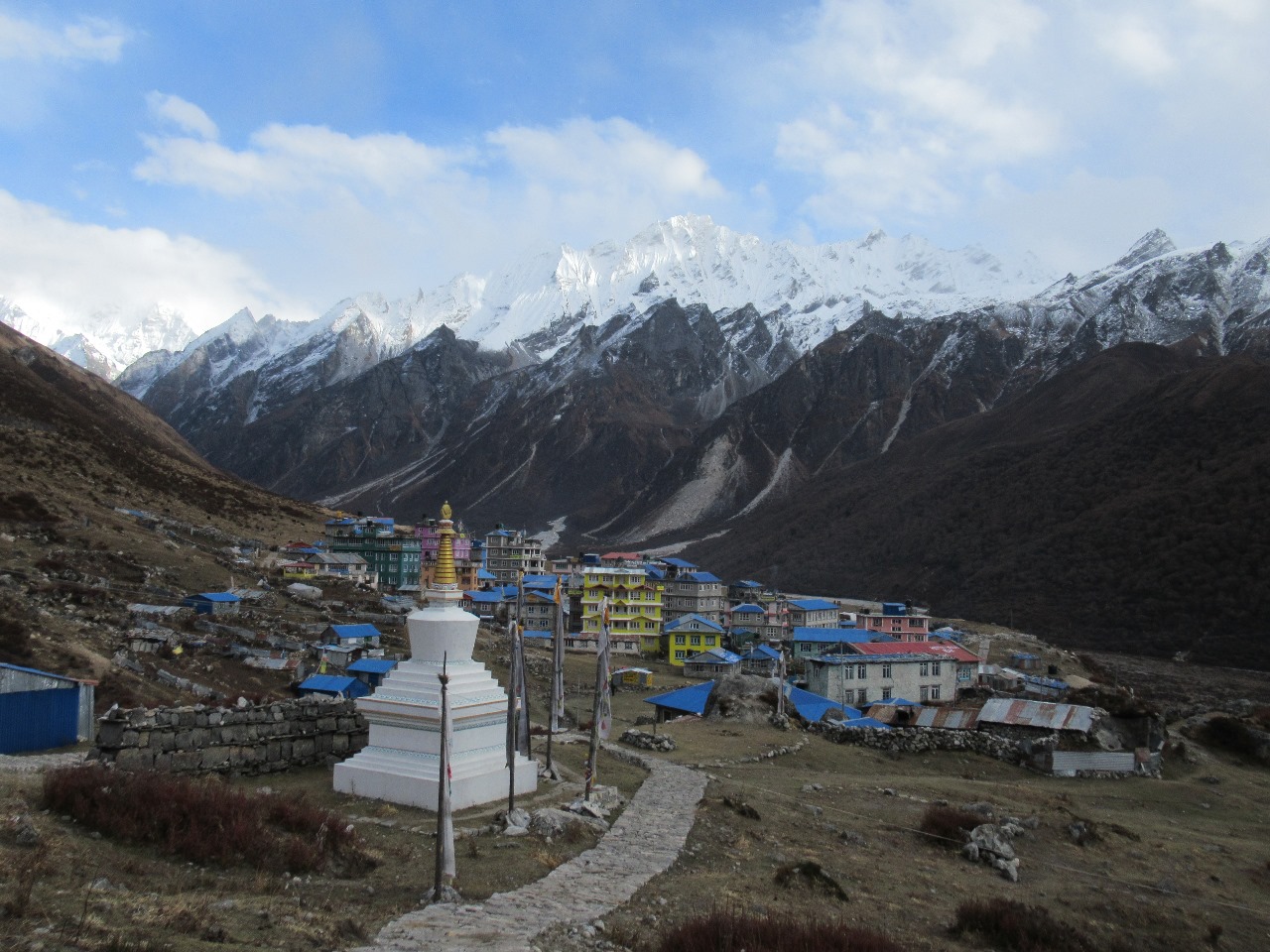
Traditional Architecture: Tamang villages feature distinctive stone houses with slate roofs, often decorated with colorful prayer flags and intricate wood carvings. The architecture reflects both practical mountain living considerations and aesthetic cultural values.
Local Customs: Visitors can witness traditional farming practices, including yak herding and high-altitude agriculture. The famous Kyanjin cheese factory demonstrates how communities adapt Tibetan techniques to local conditions.
Spiritual Practices: Buddhist monasteries along the route, particularly Kyanjin Gompa, offer insights into mountain Buddhism. Prayer wheels, mani stones, and colorful prayer flags create a spiritually enriching atmosphere throughout the trek.
Community Interaction Opportunities
Teahouse stays provide intimate opportunities to interact with local families, learn basic Tamang phrases, and understand daily mountain life. Many lodge owners enjoy sharing stories about their culture, local legends, and changes they’ve witnessed in the region.
Flora and Fauna: Biodiversity of the Langtang Region
Diverse Ecological Zones
The Langtang Gosaikunda Trek passes through multiple ecological zones, each supporting unique plant and animal communities. This biodiversity makes the trek a paradise for nature enthusiasts and wildlife photographers.
Flora Highlights
Rhododendron Forests (2,000-3,500m): The Langtang region boasts magnificent rhododendron forests that burst into spectacular bloom during spring (March-April). Over 30 species create a natural garden with colors ranging from deep crimson to pure white and soft pink.
Bamboo Groves: Lower elevations feature extensive bamboo forests that provide crucial habitat for various wildlife species and serve traditional construction needs for local communities.
Alpine Flora: Higher elevations showcase hardy alpine plants including primulas, gentians, and edelweiss. These specialized plants have adapted to harsh mountain conditions and brief growing seasons.
Wildlife Encounters
Endangered Species:
- Red Panda: The elusive red panda inhabits bamboo forests throughout the region. While sightings are rare, early morning and late afternoon offer the best opportunities.
- Snow Leopard: These magnificent cats occasionally roam the higher elevations, though encounters are extremely rare and special.
Common Wildlife:
- Himalayan Tahr: Large, goat-like animals frequently spotted on steep slopes above 3,000m
- Langur Monkeys: Playful troops commonly encountered throughout the trek
- Himalayan Black Bear: Forest dwellers that may be spotted foraging, particularly during autumn
Birdlife: The region supports over 200 bird species, including the spectacular Himalayan Monal (Nepal’s national bird), various pheasant species, and numerous high-altitude raptors.
Accommodation and Logistics
Teahouse Accommodation
Tea-houses serve as the primary accommodation along the Langtang Gosaikunda Trek route. These family-run guesthouses provide basic but comfortable lodging with shared facilities. Typical amenities include:
- Simple beds with blankets (sleeping bags recommended)
- Communal dining areas with hearty meals
- Shared bathroom facilities
- Charging stations for electronics (additional cost)
- Stunning mountain views from many locations
Camping Options
For those seeking a more remote experience, camping remains possible along much of the route. Organized camping treks provide:
- Professional guide and porter services
- Complete camping equipment
- Dedicated cooking staff
- Greater flexibility in itinerary
- Enhanced wilderness experience
Booking Considerations
During peak seasons (Gosaikunda Trek Season: March-May and September-November), advance booking becomes essential, particularly for popular stops like Kyanjin Gompa and Gosaikunda area accommodations.
Permits and Regulations
Required Documentation
The Gosaikunda Trek permit requirements include three separate permits:
- Langtang National Park Permit
- Cost: USD 35 for foreigners, NPR 1,500 for SAARC nationals
- Valid for entire park area
- Obtained in Kathmandu or at park entrance
- TIMS Card (Trekkers’ Information Management System)
- Individual trekkers: USD 20
- Group trekkers: USD 10
- Required for safety and tracking purposes
- Gosaikunda Area Permit
- Cost: USD 20 for foreigners, NPR 1,000 for SAARC nationals
- Specific to Gosaikunda lake area
- Additional conservation fee
Permit Acquisition Process
Permits can be obtained in Kathmandu through:
- Nepal Tourism Board office
- Trekking agencies (with service fee)
- Tribhuvan International Airport (limited permits)
Required documents include passport copies, passport-sized photographs, and completed application forms.
Best Seasons and Weather Conditions
Peak Trekking Seasons
Spring (March-May): Ideal conditions with blooming rhododendrons, clear mountain views, and moderate temperatures. This period offers the best season for Gosaikunda Trek with excellent weather stability.
Autumn (September-November): Crystal-clear mountain views, stable weather, and comfortable trekking temperatures make this the most popular trekking season.
Seasonal Considerations
Winter Trekking (December-February): While challenging due to cold temperatures and potential snowfall, Gosaikunda Trek in December and Gosaikunda Trek in January offer solitude and pristine snowy landscapes for experienced trekkers.
Monsoon Season (June-August): The Gosaikunda Trek in June presents challenges due to heavy rainfall, leeches, and obscured mountain views. However, this coincides with the Gosaikunda Trek in Janai Purnima pilgrimage season.
Difficulty Level and Physical Preparation
Trek Difficulty Assessment
The Gosaikunda Trek difficulty level rates as moderate to challenging, suitable for trekkers with good physical fitness and some hiking experience. Key challenging aspects include:
- High altitude exposure (up to 4,610m at Lauribina Pass)
- Daily hiking durations of 5-8 hours
- Variable weather conditions
- Basic accommodation facilities
- Remote location with limited rescue options
Preparation Recommendations
Physical Fitness: Regular cardiovascular exercise, hiking practice, and leg strength training prove essential for trek success.
Altitude Acclimatization: Gradual ascent profiles and rest days help prevent altitude sickness. Understanding symptoms and descent protocols remains crucial.
Mental Preparation: Remote mountain environments require mental resilience and adaptability to changing conditions.
Safety Considerations and Emergency Procedures
Altitude-Related Concerns
Acute Mountain Sickness (AMS) poses the primary health risk. Symptoms include headaches, nausea, dizziness, and fatigue. Prevention strategies include:
- Gradual altitude gain
- Adequate hydration
- Recognition of warning symptoms
- Immediate descent if symptoms worsen
Emergency Evacuation
While helicopter rescue services operate in the region, weather conditions can delay evacuation. Travel insurance covering high-altitude helicopter rescue proves essential.
Weather-Related Hazards
Sudden weather changes, particularly at high passes, can create dangerous conditions. Proper gear, flexible itineraries, and local guide knowledge help mitigate weather-related risks.
Budget Planning and Cost Breakdown
Trek Cost Components
Langtang Gosaikunda Trek cost varies significantly based on trek style and duration:
Independent Trekking:
- Permits: USD 75
- Accommodation: USD 10-15 per night
- Meals: USD 15-25 per day
- Transportation: USD 15-20 (Kathmandu-Syabrubesi)
- Total: USD 300-500 for 12-14 days
Guided Trek Packages:
- Gosaikunda Trek package: USD 800-1,500
- Includes guide, permits, accommodation, meals
- Porter services: Additional USD 15-20 per day
Additional Costs:
- Equipment rental: USD 5-15 per item per day
- Travel insurance: USD 50-150
- Emergency evacuation coverage: USD 100-300
Money-Saving Tips
- Trek during shoulder seasons for better rates
- Share porter services with other trekkers
- Bring own equipment to avoid rental costs
- Book directly with local operators
Why Choose Top Trekking Nepal for Your Langtang Gosaikunda Adventure
Expert Local Knowledge
At Top Trekking Nepal, our experienced guides possess intimate knowledge of the Langtang region, having grown up in these mountains. Our team includes:
- Government-licensed trekking guides with first aid training
- Native Tamang speakers who can facilitate cultural exchanges
- Mountain safety experts with years of high-altitude experience
- Local porters who know every trail and weather pattern
Comprehensive Service Package
Our Langtang Gosaikunda Trek package includes:
Pre-Trek Services:
- Airport pickup and drop-off in Kathmandu
- All permit arrangements and documentation
- Pre-trek briefing and equipment check
- Kathmandu accommodation options
During Trek Services:
- Experienced guide and porter services
- All meals during the trek (breakfast, lunch, dinner)
- Teahouse accommodation arrangements
- Emergency evacuation insurance coverage
- First aid kit and safety equipment
Post-Trek Services:
- Trek completion certificate
- Cultural evening with traditional Nepali dinner
- Assistance with onward travel arrangements
- 24/7 support hotline
Customizable Itineraries
We offer flexible Langtang Gosaikunda Trek itinerary options:
- Standard 12-day trek: Perfect for most fitness levels
- Express 7-day option: For time-conscious trekkers
- Extended 16-day circuit: Including Helambu region
- Photography-focused tours: With extra time at scenic spots
- Cultural immersion packages: Extended village stays
Safety First Approach
Safety remains our top priority. Our comprehensive safety measures include:
- Regular communication with base camp
- Emergency evacuation protocols
- Altitude sickness monitoring and prevention
- Weather update systems
- Backup equipment and supplies
Sustainable Tourism Commitment
Top Trekking Nepal is committed to responsible tourism:
- Fair wages for all guides and porters
- Environmental conservation initiatives
- Community development projects
- Waste management programs
- Cultural preservation efforts
Sustainable Trekking and Environmental Responsibility
Leave No Trace Principles
The fragile Himalayan environment requires careful stewardship. Essential practices include:
- Proper waste disposal
- Respect for local customs and wildlife
- Minimal environmental impact camping
- Support for local conservation efforts
Community-Based Tourism
Choosing locally-owned teahouses and hiring local guides and porters directly benefits mountain communities and supports sustainable tourism development.
Environmental Conservation
The Langtang region faces environmental challenges including climate change impacts, deforestation, and tourism pressure. Responsible trekking practices help preserve this pristine wilderness for future generations.
Photography Tips and Scenic Highlights
Best Photography Locations
Sunrise/Sunset Spots:
- Kyanjin Ri (4,773m): Panoramic mountain views
- Tserko Ri (4,984m): Close-up Langtang Lirung perspectives
- Gosaikunda Lakes: Sacred lake reflections
Cultural Photography:
- Tamang villages with traditional architecture
- Buddhist monasteries and prayer flag displays
- Local people engaged in daily activities (with permission)
Landscape Photography:
- Rhododendron blooms against mountain backdrops
- Alpine meadows and glacial valleys
- Dramatic mountain passes and lake scenes
Photography Etiquette
Respect local customs regarding photography, particularly in religious sites and when photographing people. Many locations require photography permits or donations.
Conclusion: Why Choose the Langtang Gosaikunda Trek
The Langtang Gosaikunda Trek offers an unparalleled combination of natural beauty, cultural immersion, and spiritual significance that few other trekking destinations can match. From the moment you begin your journey in Syabrubesi to the profound experience of reaching the sacred Gosaikunda Lakes, every step reveals new wonders and challenges.
This trek provides an authentic Himalayan experience without the crowds of more popular routes like Everest Base Camp or Annapurna Circuit. The opportunity to witness traditional Tamang culture, encounter diverse wildlife, and experience the spiritual energy of sacred lakes creates memories that last a lifetime.
Whether you choose a short Gosaikunda Trek or the comprehensive Langtang Gosaikunda Helambu Trek, this journey promises to challenge your physical limits while enriching your understanding of Nepal’s remarkable mountain heritage. The combination of stunning natural beauty, cultural authenticity, and spiritual significance makes the Langtang Gosaikunda Trek one of Nepal’s most rewarding trekking experiences.
For those ready to embark on this extraordinary adventure, proper preparation, respect for local customs, and commitment to sustainable trekking practices will ensure a safe, memorable, and transformative journey through one of the Himalayas’ most spectacular regions.
Book Your Langtang Gosaikunda Trek Today
Top Trekking Nepal stands ready to make your Langtang Gosaikunda dream a reality. With our expert guides, comprehensive services, and commitment to safety and sustainability, we guarantee an unforgettable Himalayan adventure.
Contact us today to:
- Customize your perfect itinerary
- Get detailed cost breakdowns
- Ask questions about the trek
- Book your adventure with confidence
Ready to experience the magic of the Langtang Gosaikunda Trek? Contact Top Trekking Nepal and let our experienced team guide you on this life-changing journey through Nepal’s most sacred and spectacular mountain landscapes.
If you’re looking for another incredible Himalayan adventure, the Manaslu Circuit Trek offers a more remote and less‑crowded alternative. This challenging trek circles Mount Manaslu (8,163m), passes through traditional villages, and crosses the stunning Larkya La Pass (5,160m), making it one of Nepal’s most rewarding trekking experiences.
Experience the difference that local expertise makes. Choose Top Trekking Nepal for your Langtang Gosaikunda Trek and create memories that will last a lifetime.
Itinerary
Meal
Lunch/Dinner/Breakfast
Meal
Lunch/Dinner/Breakfast
Meal
Lunch/Dinner/Breakfast
Meal
Lunch/Dinner/Breakfast
Meal
Lunch/Dinner/Breakfast
Meal
Lunch/Dinner/Breakfast
Meal
Lunch/Dinner/Breakfast
Meal
Lunch/Dinner/Breakfast
Meal
Lunch/Dinner/Breakfast
Meal
Lunch/Dinner/Breakfast
Meal
Lunch/Dinner/Breakfast
Meal
Lunch/Dinner/Breakfast
Meal
Lunch/Dinner/Breakfast
Meal
Lunch/Dinner/Breakfast
Meal
Lunch/Dinner/Breakfast
Meal
Breakfast/ Lunch
Includes
- All ground transportation with private vehicle.
- Deluxe hotel in Kathmandu with breakfast.
- Full board meals with tea/coffee (Breakfast, Lunch and Dinner) during the trek.
- Best available Lodge to lodge accommodation during the trek.
- One highly experienced, helpful and friendly guide, porter their food and accommodation.
- Langtang National Park Permit and TIMS permit.
- All entrance fee.
- First aid medicine kit(FIRST AID-KIT)
- All applicable government and local taxes.
Excludes
- International airfare and Nepalese visa fee.
- Travel Insurance.
- Personal expenses (like telephone calls, internet, laundry, soft drinks, beers, and any alcoholic beverages.)
- Extra hotel accommodation in Kathmandu.
- Tips for the guide, porter & driver. (tipping is expected).
- Emergency rescue.
Equipment
- Sleeping bag
- Feather jacket
- Waterproof trekking shoes
- Trekking Pole
- Sun-glass
- Sun-cream
- Hat
- Raincoat
- T-shirt
- Couple of trekking shocks
- Personal care box
- Towel
- Shirt
- Half-paint
- Sleepers
- Camera/Mobile/Binocular (Depend on you)
- Gloves
- Trekking Pants
- Water Purification pills
FAQ's
Overall, it will take 14 to 21 days to complete the trekking based on the itinerary and the places you want to visit and explore. You will trek daily for at least 4 to 6 hours to make your trekking adventure progress daily.
The most appropriate season for the Langtang and Gosaikunda trek is generally in March, April, May, Sept, Oct, and Nov since the weather is also really comforting. Generally, it is advised to travel for the trek during spring or early autumn.
The trekking cost depends on the itinerary: hotels, transportation, and the number of people on the trek. For this trekking package, it will take between $2000 to $4000 per person.
The Gosainkunda trek is considered moderately difficult. The trail includes steep ascents, high altitudes (up to 4,380 meters), and rugged paths. Prior trekking experience is helpful, but fit beginners can also complete it with proper preparation.
Yes, it’s possible to trek Langtang without a guide, but hiring one is recommended for safety, navigation, and cultural insights, especially since the region is remote and prone to landslides.
Typically, you need 7 to 10 days for the Langtang Valley trek, depending on your pace and whether you include acclimatization days or extensions like Gosainkunda.
The best seasons are spring (March–May) and autumn (September–November). These months offer clear skies, moderate temperatures, and stable weather.
Absolutely. Langtang offers stunning Himalayan views, rich Tamang culture, and serene landscapes, all within a few days’ trek from Kathmandu.
It depends on the trail. Some treks like Everest Base Camp or Annapurna Circuit are challenging, while others like Langtang or Ghorepani are moderate. Proper preparation is key.
The trek typically costs $500 to $900 USD, depending on whether you go independently or with a guided tour. Costs include permits, accommodation, food, transport, and guide/porter fees.
A guide is not mandatory, but highly recommended for better safety, cultural immersion, and convenience, especially after the 2015 earthquake which affected trail markings.
The trek usually begins from Dhunche or Syabrubesi, about 120–140 km from Kathmandu, taking 6–8 hours by road.
Annapurna Base Camp offers more dramatic landscapes and is more popular, while Langtang is quieter and culturally rich. Both are beautiful; Langtang is better for shorter treks with less crowd.
Moderate fitness is required—daily walking of 5–7 hours with altitude gain. Cardiovascular health and leg strength are essential.
-
Manaslu: Longer, more remote, requires special permits, less crowded.
-
Langtang: Shorter, more accessible from Kathmandu, culturally rich.
Gosainkunda is a sacred alpine lake revered by Hindus and Buddhists. It’s believed to have been created by Lord Shiva and is a major pilgrimage site, especially during the Janai Purnima festival.
Consumer reviews
REVIEW REQUESTS
Enter a recent customer’s contact info and we’ll ask them to leave you a review.